Paris was the birthplace of Impressionism, and this itinerary links some of the places that mattered most to those painters, from the Musée de l'Orangerie to the lanes of Montmartre. Set aside half a day to follow this route through paintings, gardens and studios, combining walking with a couple of metro rides.
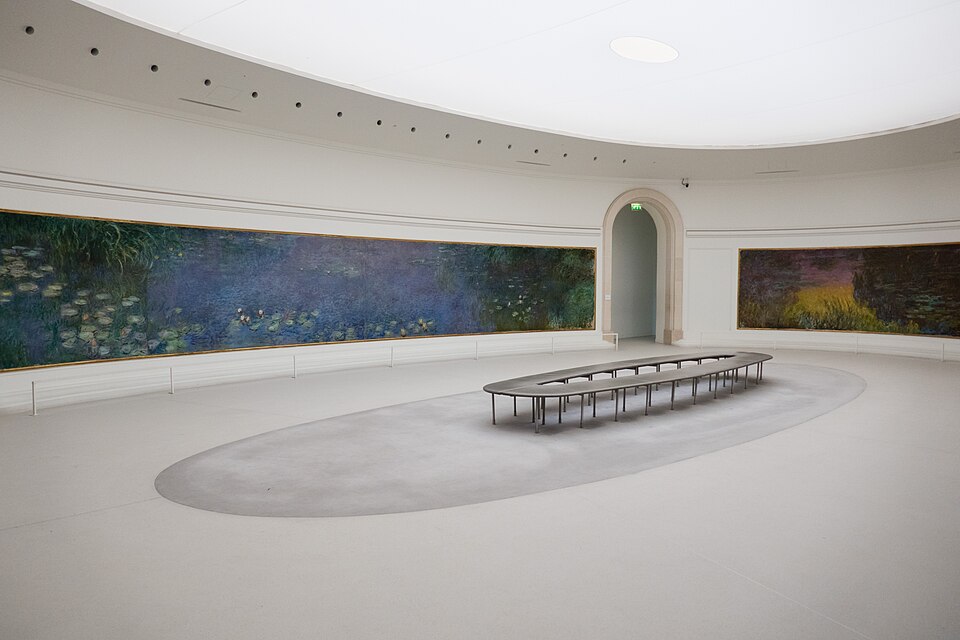
The Musée de l'Orangerie, the starting point
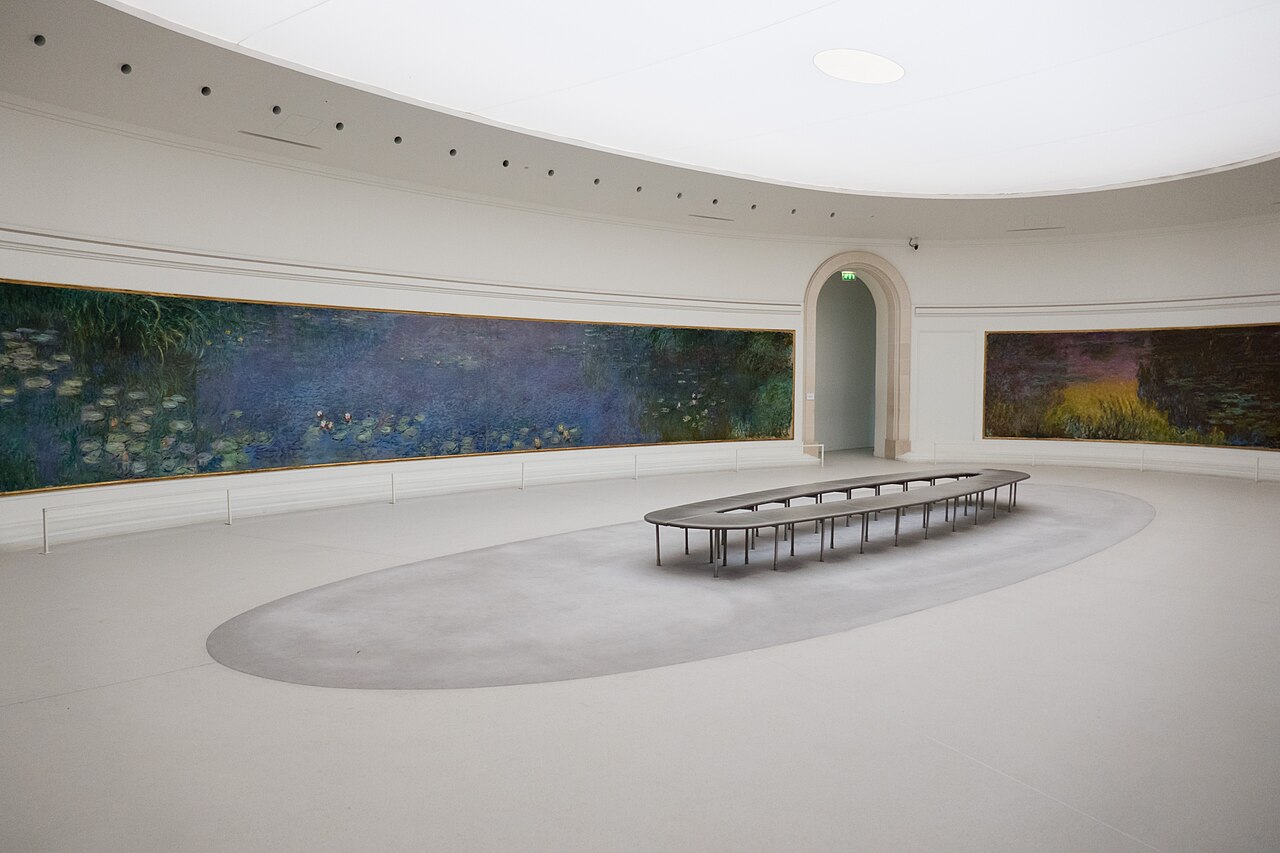
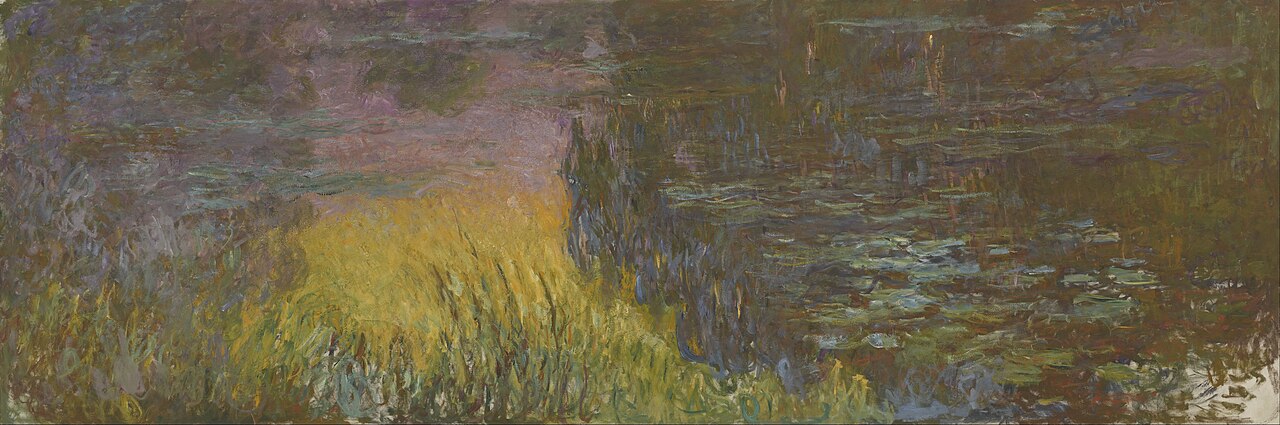
Housed in two oval rooms built to Claude Monet's own specifications, the Musée de l'Orangerie displays the Water Lilies (Nymphéas) exactly as the painter intended: natural light and a 360-degree view of his large panels devoted to water lilies. Tucked into a corner of the Jardin des Tuileries, the museum's modest facade gives no hint of the scale of the canvases inside.
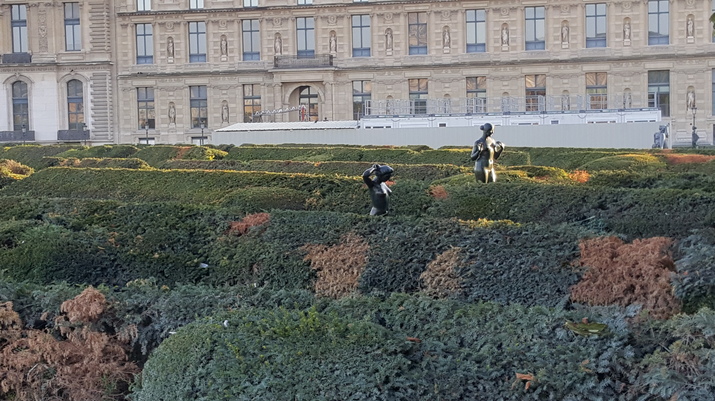
The Jardin des Tuileries
Leaving the Orangerie, a few minutes' walk through this formal garden, laid out in the 17th century by André Le Nôtre, is enough to reach the next stop on the route. Its long gravel paths and octagonal pond make for a pleasant transition before crossing the Seine to the Left Bank.
The Musée d'Orsay
Housed in the former Gare d'Orsay train station, converted into a museum in 1986, this former railway building holds the world's largest collection of Impressionist and post-Impressionist works, with paintings by Monet, Renoir, Degas, Manet, Van Gogh and Cézanne. Allow at least two hours to explore the galleries devoted to the movement, set beneath the old station's great glass roof.
The Musée Marmottan Monet, an optional detour
Located in the 16th arrondissement, off the main route, this museum holds the largest collection of Claude Monet's work anywhere in the world, including Impression, Sunrise, the 1872 painting that gave the Impressionist movement its name. Since it isn't on the direct path between the Musée d'Orsay and Montmartre, it requires a round trip by metro, but remains a must for devoted fans of the painter.
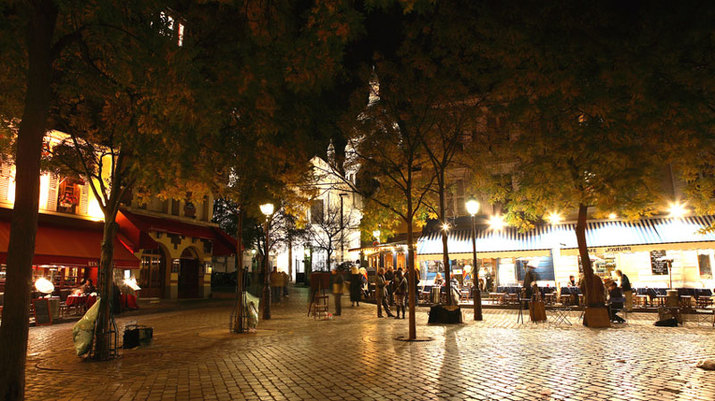
Place du Tertre, in Montmartre
In the 19th century, cheap rents and the still-village-like atmosphere of the Montmartre hill drew many Impressionist and Post-Impressionist painters looking for affordable studios, away from the bustle of central Paris. On Place du Tertre, portrait painters still set up every day, carrying on, in their own way, the tradition of a neighborhood historically tied to art.
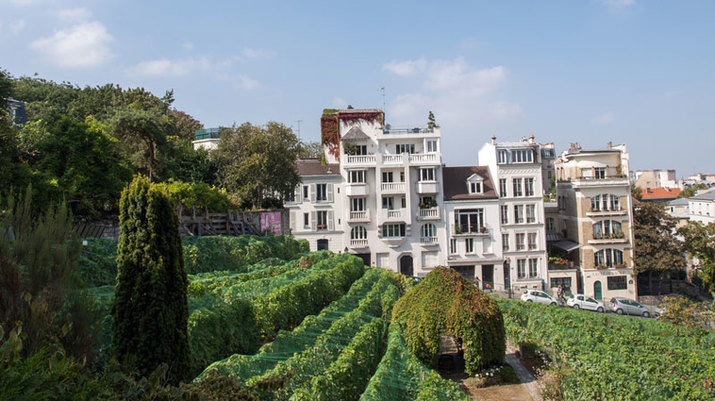
The Clos Montmartre vineyard
This small hillside vineyard recalls the still-rural character Montmartre had when painters first settled there, amid windmills, gardens and open views over the surrounding countryside. That village atmosphere, worlds away from Haussmann's Paris, fed the imagination of a whole generation of artists who came looking for a different way of life.
Tips
Start at the Musée de l'Orangerie (Concorde metro station, lines 1, 8 and 12), on the edge of the Jardin des Tuileries, then walk through the garden toward the Seine to reach the Musée d'Orsay on foot, about fifteen minutes away. For Monet enthusiasts with more time, a detour to the Musée Marmottan Monet is possible from Orsay, but requires a metro ride (La Muette station, line 9), since the museum isn't on the direct path. End the walk in Montmartre, also reachable by metro from the Musée d'Orsay (about thirty minutes' travel), strolling between Place du Tertre and the Clos Montmartre vineyard. Altogether, allow half a day for this route, with roughly two kilometers of walking in the center plus the metro rides needed to link the more outlying stops.
See in this guide