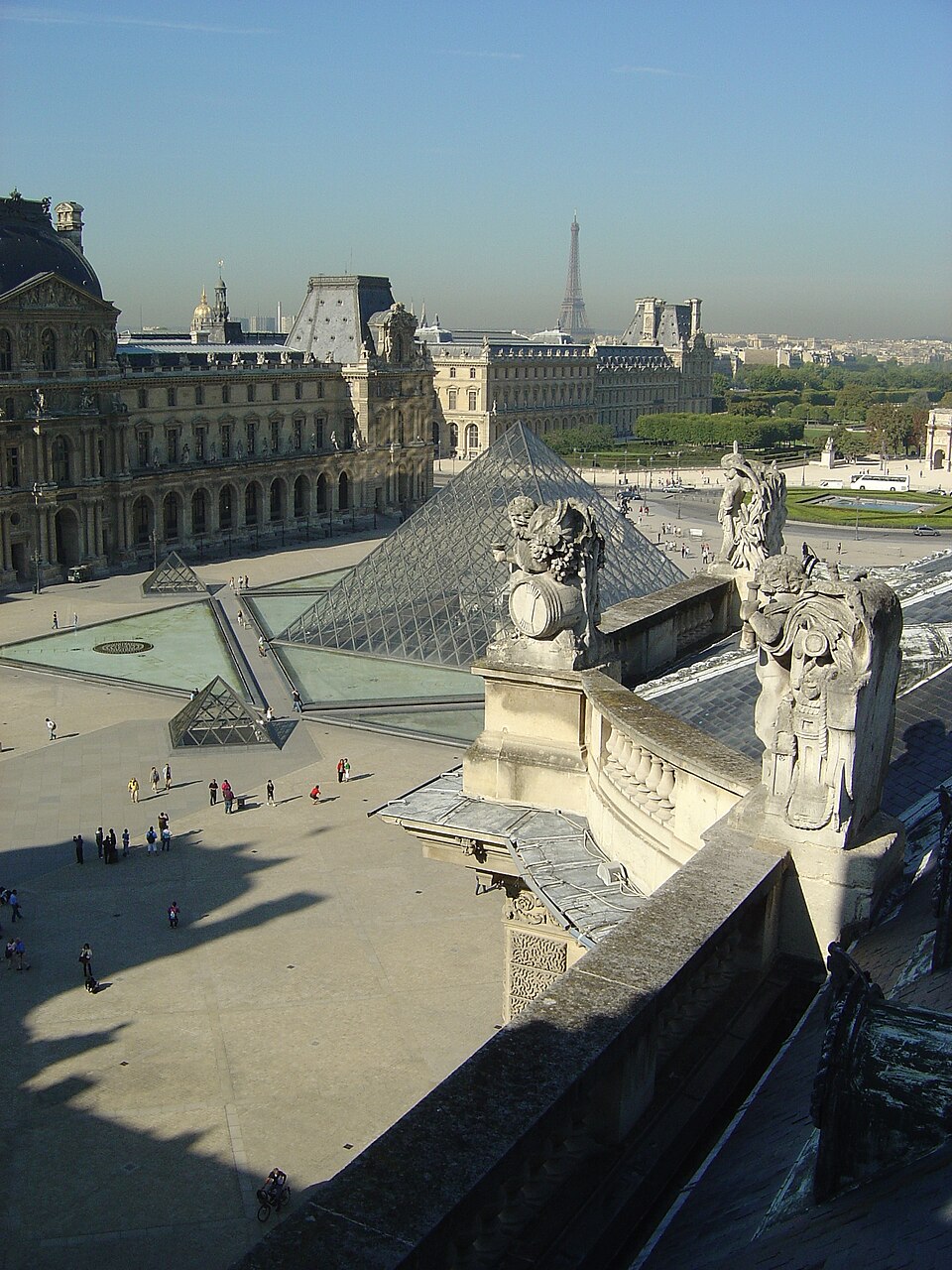
The Paris Museum Pass promises simplified access to dozens of museums and monuments across the capital and its wider region, bundled into a single package valid over several consecutive days. On paper, the idea is appealing: no need to pay at every entrance, and sometimes the option to skip part of the queue. In practice, whether it is worth it depends almost entirely on the pace of your trip and how many sites you will genuinely visit, not just on their combined entrance fees.
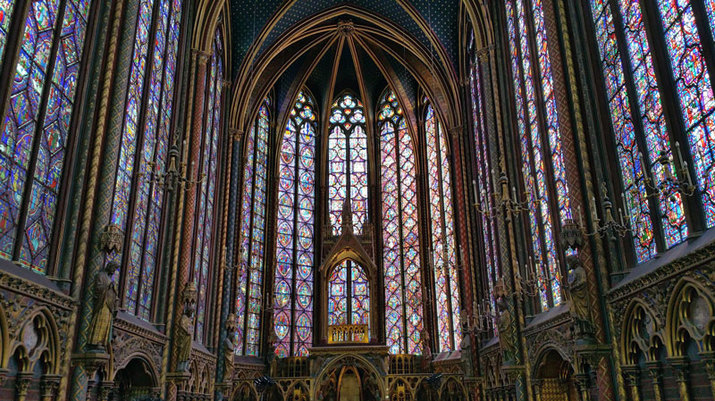
Sainte-Chapelle
Its thirteenth-century stained-glass windows, among the finest examples of Gothic art anywhere, draw a steady stream of visitors, especially when light pours through the panes. The pass lets you walk straight in, which makes a real difference on a busy day.
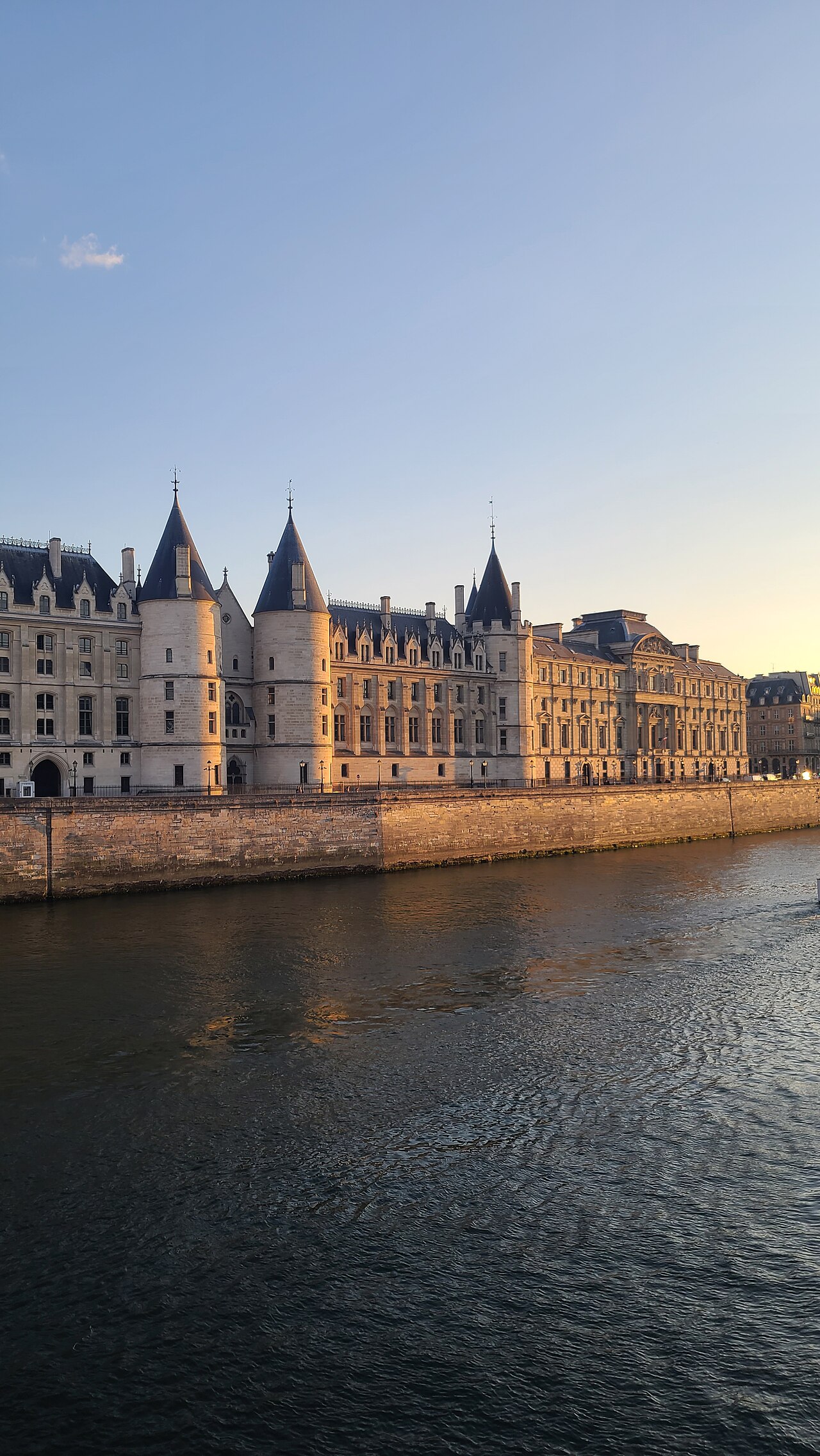
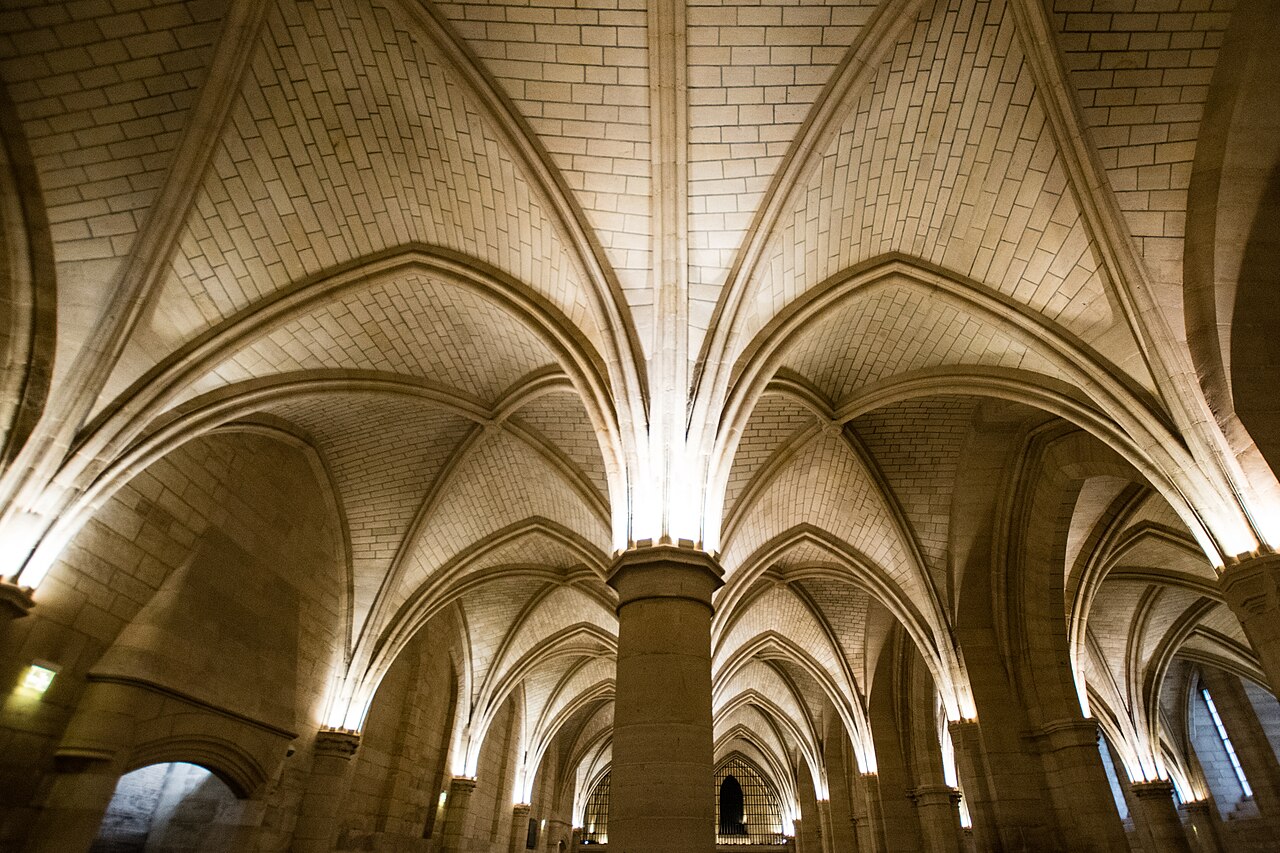
The Conciergerie
Once a royal palace, later a Revolutionary-era prison where Marie Antoinette spent her final days, the Conciergerie is usually visited right after Sainte-Chapelle, since both monuments sit on the Île de la Cité just steps apart.
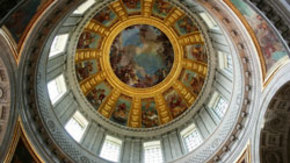
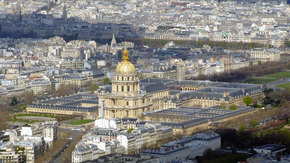
Les Invalides and the Musée de l'Armée
Napoleon's tomb rests beneath the golden dome, surrounded by one of the largest military history museums in the world. Visitors interested in the weapons, uniforms and scale-model collections can easily spend half a day here.
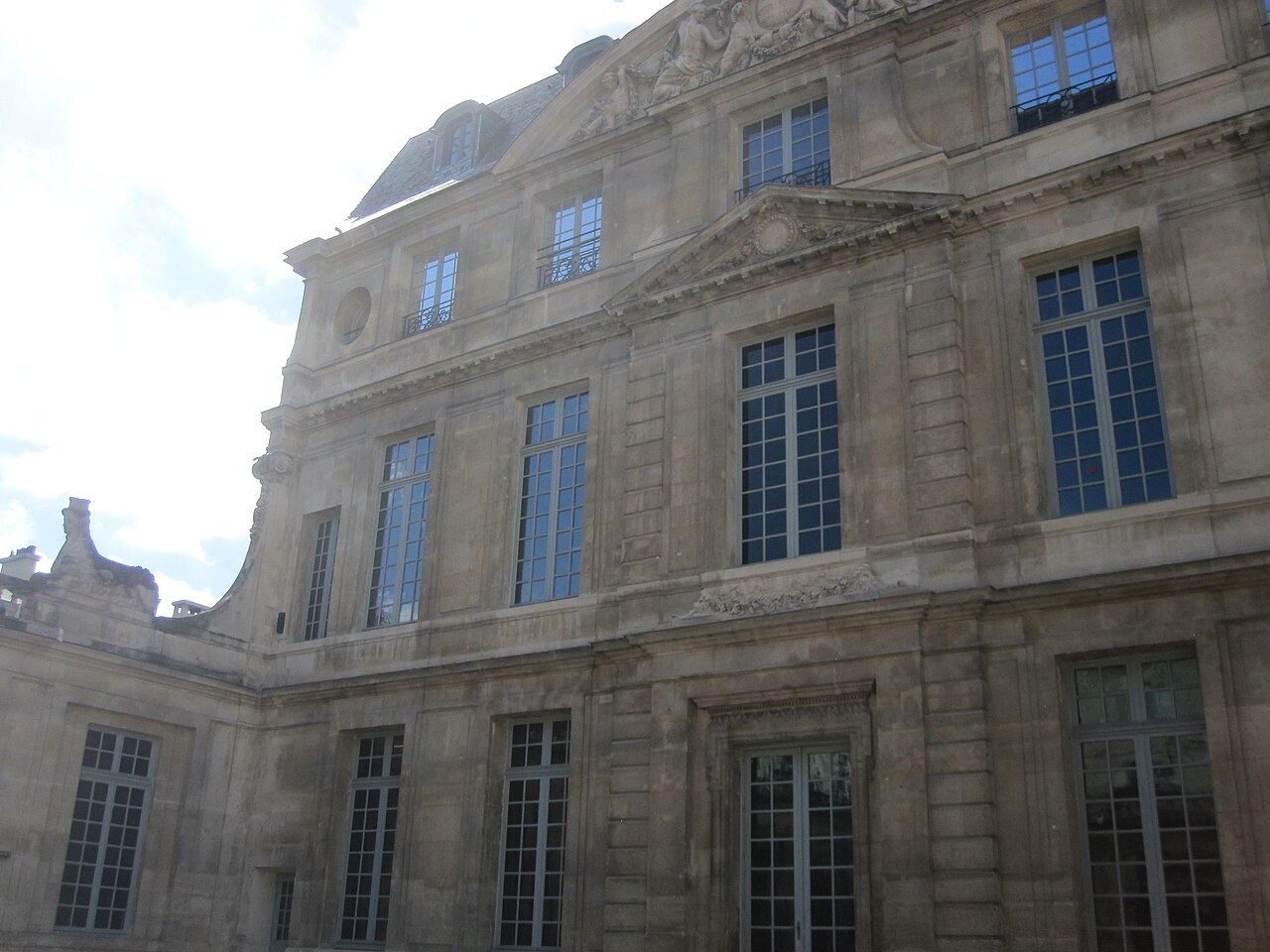
The Musée Picasso
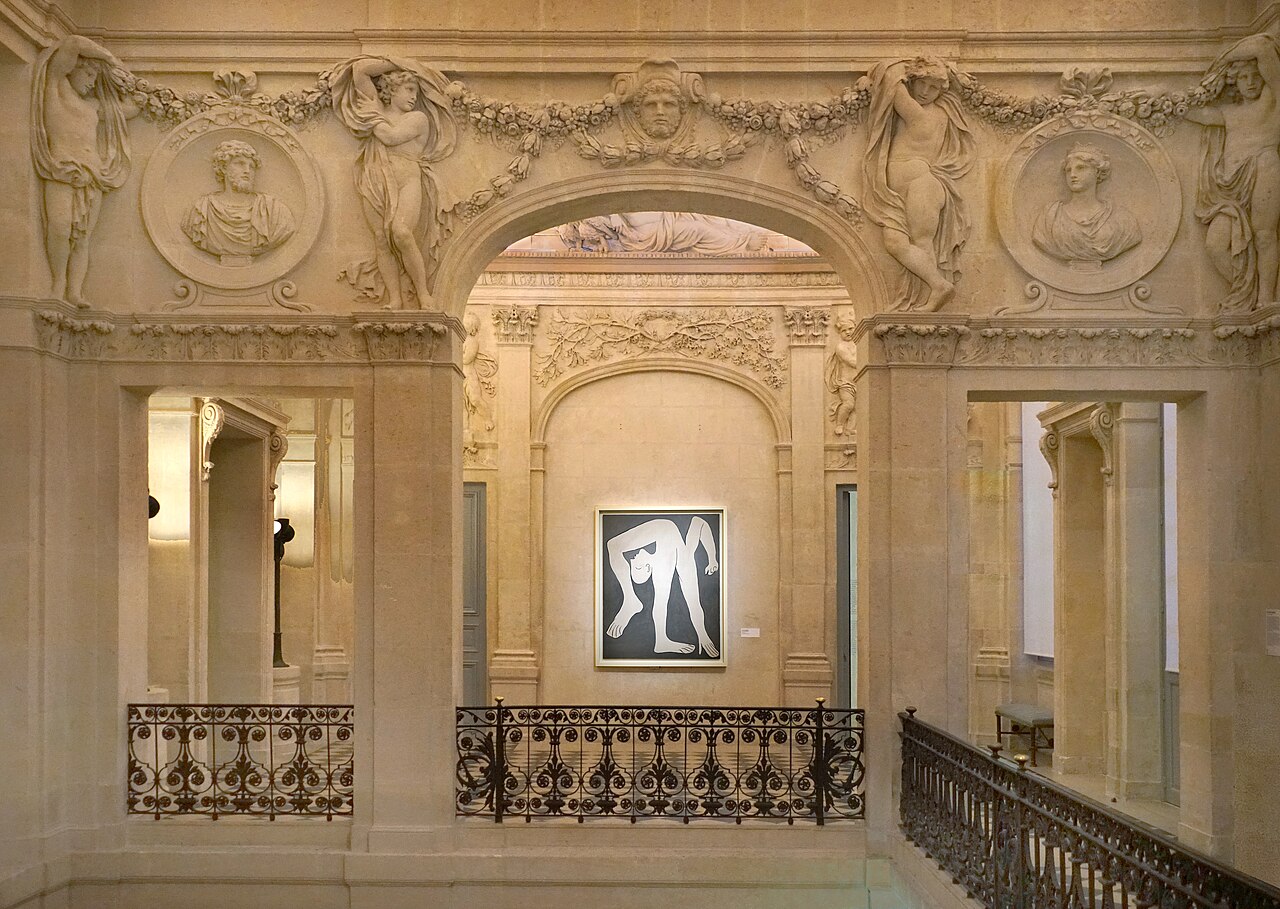
Housed in the Hôtel Salé, a grand seventeenth-century mansion in the Marais, this museum holds the world's largest public collection devoted to the artist, drawn largely from his estate. The inner courtyard and grand staircase are worth the visit on their own.
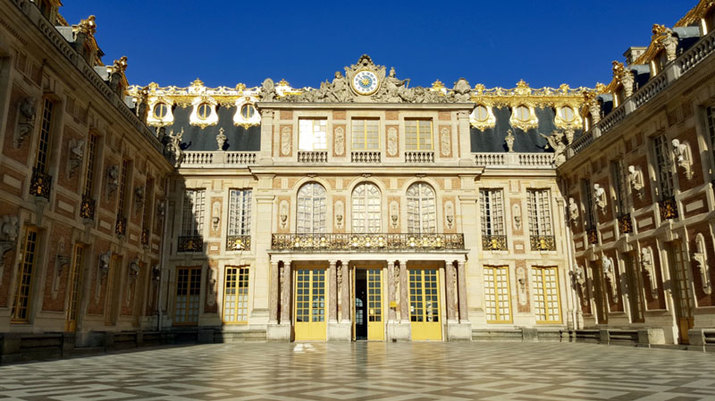
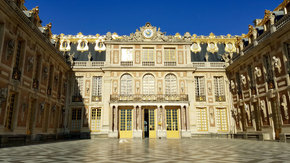
The Château de Versailles
Access to the château is included in most tiers of the pass, which represents a real saving if you plan to spend a full day there. It is still wise to book a time slot in advance, since the pass does not always waive this step, and the gardens can carry a separate fee on certain event days.
What the pass does not cover
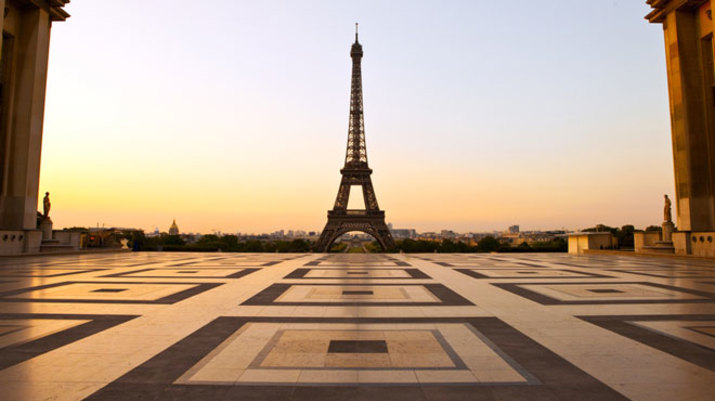
The Paris Museum Pass generally excludes temporary exhibitions, which require a separate ticket even at partner museums, and it never includes the Eiffel Tower. Skip-the-line access is not guaranteed everywhere either: several in-demand museums require a timed booking that applies to every visitor, pass holder or not.
Tips
The pass pays off for a stay of at least three or four days, with plans to visit several major museums and, ideally, a site such as Versailles. It loses most of its value for a short trip built around just one or two museums, or for travelers who prefer a slower pace without cramming their days full of visits, since individual tickets often end up cheaper in that case. Always compare the number of sites you will realistically see against the price of the pass before buying. Activate the pass on the morning of your first visit rather than at the moment of purchase, since the countdown starts from your first validated entry, not from the purchase date. Head to the major sites right at opening time to make the most of priority access where it exists, and save the quieter monuments for the afternoon.
See in this guide