Long before the shopping mall was invented, Paris had already found a way to shop out of the rain. Built around the turn of the 19th century, the covered passages are glass-roofed shopping arcades lined with boutiques and cafés, discreetly linking two streets in the center of the capital. Most are clustered around the Grands Boulevards, in the 2nd arrondissement, within a few minutes' walk of one another, and can be explored for free at any time of day.
Galerie Vivienne
Opened in 1823, this is the most elegant of Paris' covered passages, with a mosaic floor by Giandomenico Facchina and a glass roof that floods its fashion boutiques, the antiquarian bookshop Librairie Jousseaume and the legendary wine cellar Legrand Filles et Fils with light. Tucked between the Bourse and the Palais-Royal, it rewards a slow, almost silent stroll.
Passage des Panoramas
Opened in 1799, this is the oldest covered passage still standing in Paris, and the first to be lit by gas in the early 19th century. Its more workaday atmosphere now brings together stamp and coin dealers, old postcard sellers and small restaurants, in a setting that has changed remarkably little in two centuries.
Passage Jouffroy
Built in 1847 just across Boulevard Montmartre, this passage was one of the first in Paris to be heated from below the floor. It holds shops selling antique toys and walking canes, specialist bookshops and the entrance to the Musée Grévin wax museum, before opening onto the charming Hôtel Chopin at its far end.
Passage Verdeau
An extension of Passage Jouffroy across Rue de la Grange-Batelière, this quieter passage draws collectors of antiques, old books and postcards. Vintage camera enthusiasts and comic book fans also find plenty to browse, away from the bustle of the Grands Boulevards.
Passage du Grand-Cerf
With a glass roof rising some twelve meters overhead, this is the tallest of Paris' covered passages. Near the Montorgueil neighborhood, it is now home to jewelry designers, design studios and craft boutiques, giving it a more contemporary feel than its neighbors in the 2nd arrondissement.
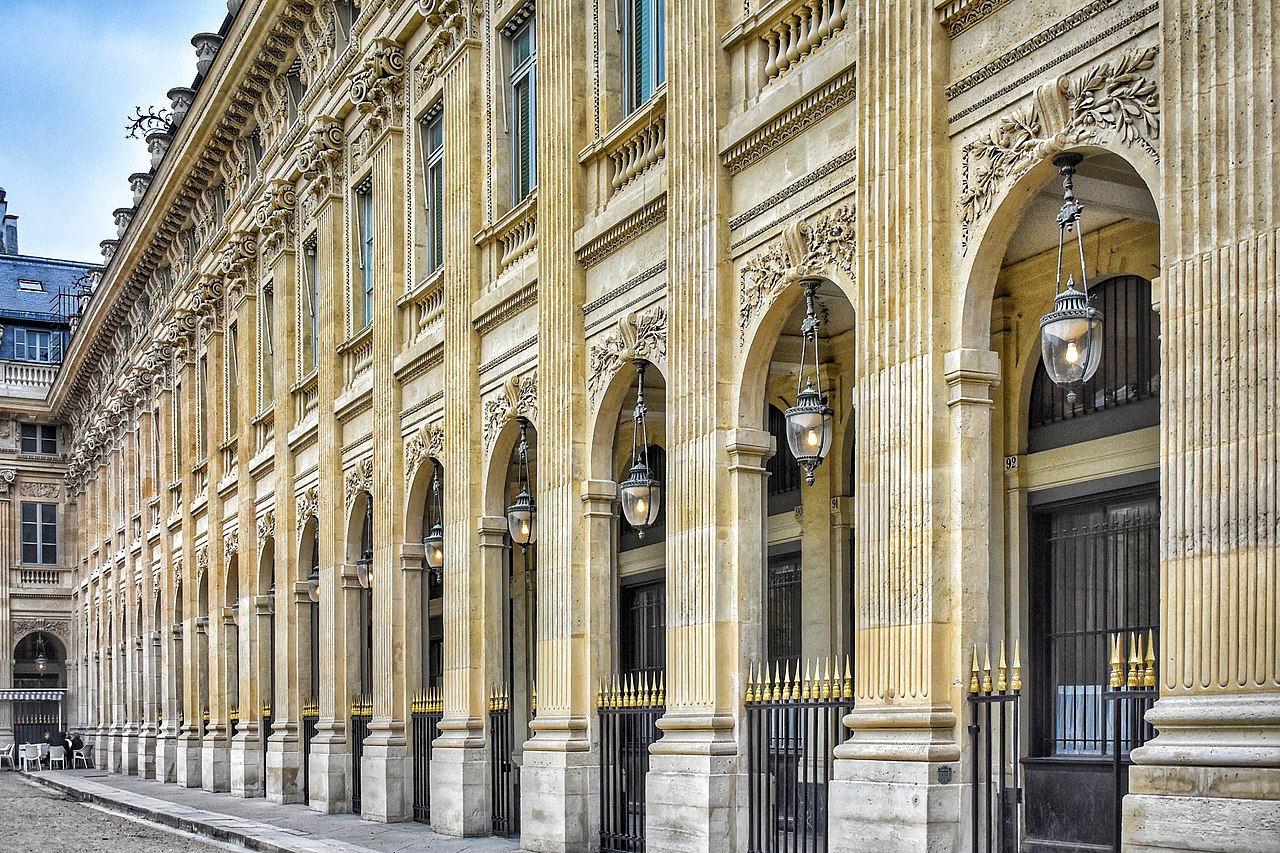
The arcades of the Palais-Royal
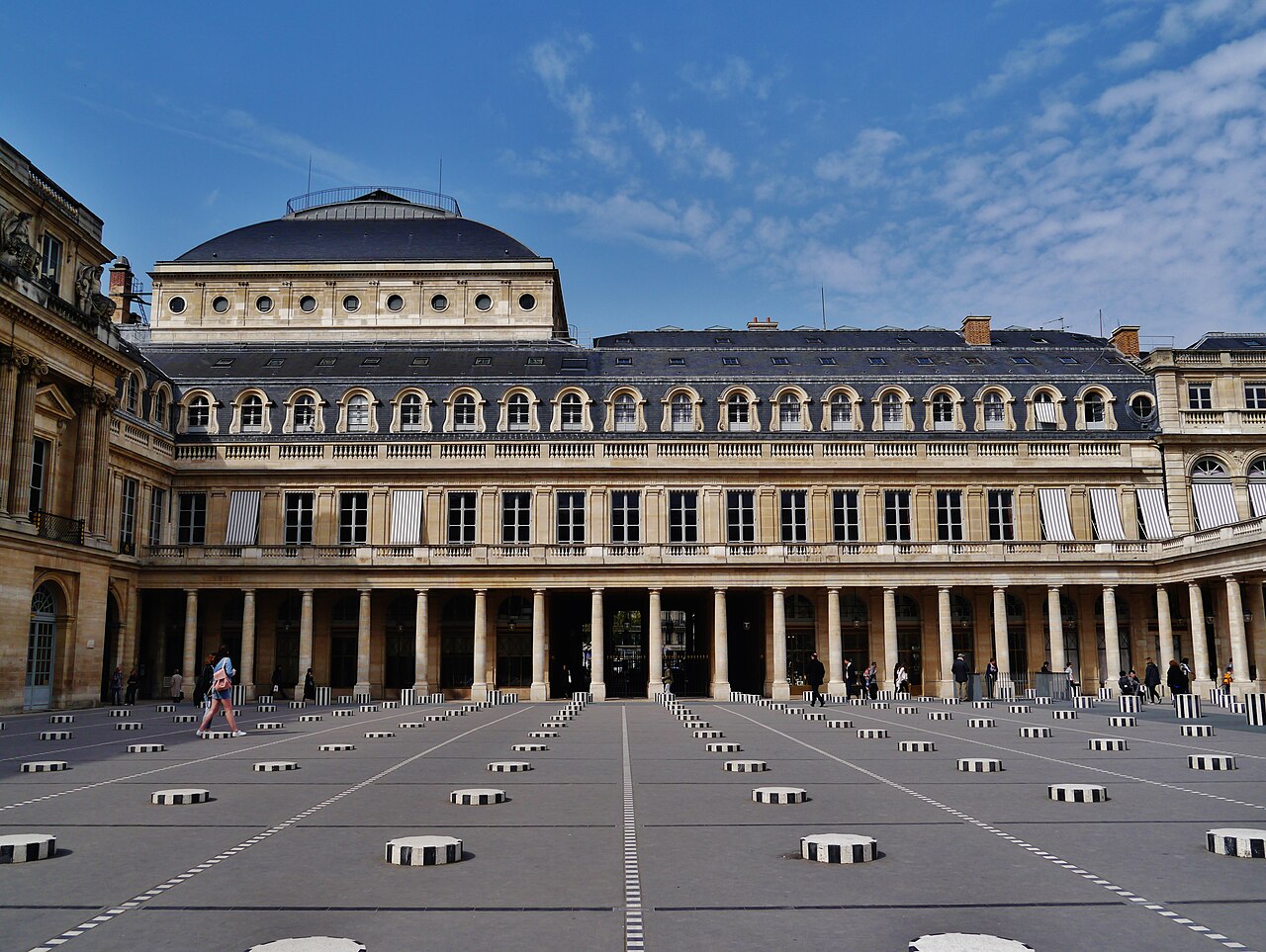
Built some forty years before the covered passages, the galleries of the Palais-Royal served as the model for the genre from the 1780s onward. Shops, cafés and gambling houses once lined its stone arcades; today it holds fashion and design boutiques, along with Buren's famous striped columns in the main courtyard.
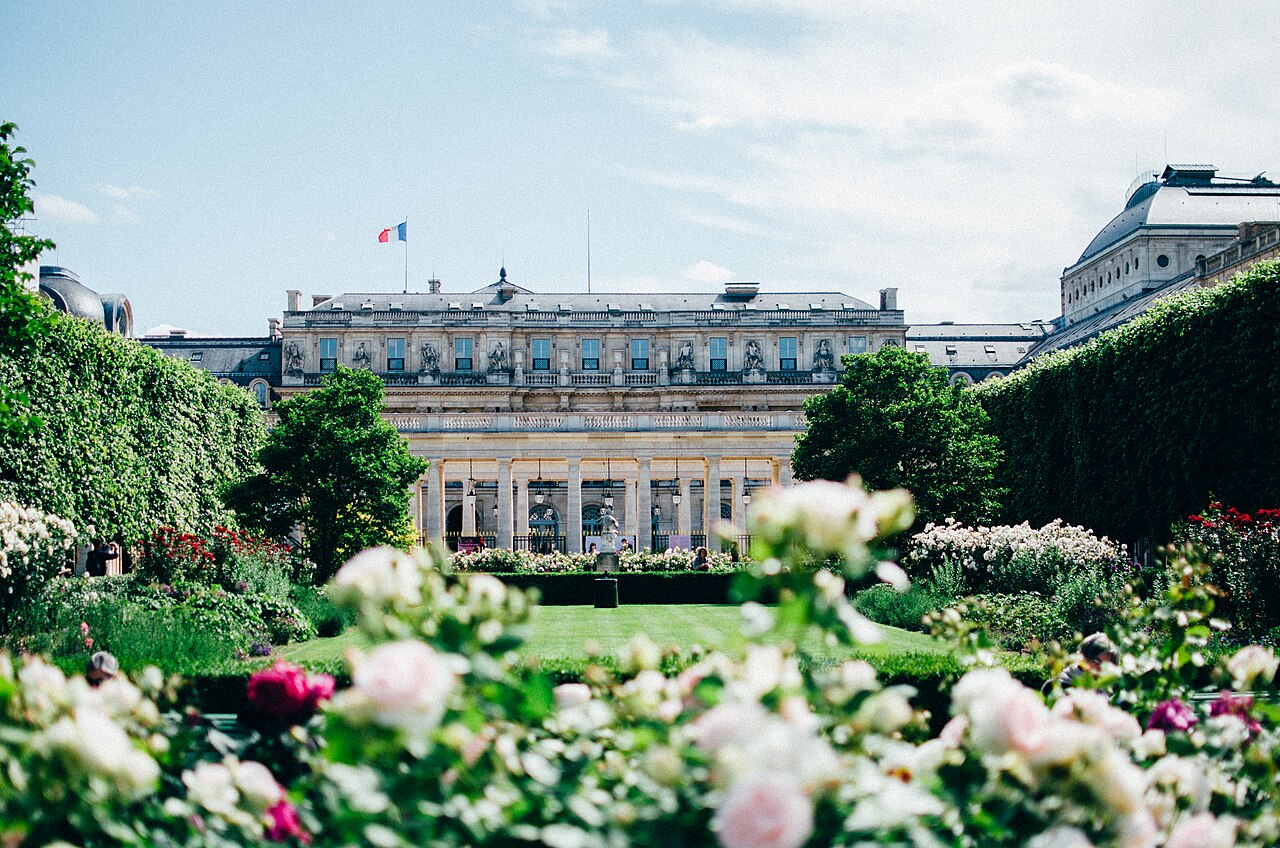
The garden of the Palais-Royal
Framed by the galleries on all four sides, this garden lined with linden trees offers a peaceful break just steps from the Louvre and the Comédie-Française. It is one of the calmest spots in central Paris to sit on a bench and take in the arcades, away from the noise of Rue de Rivoli.
Tips
The covered passages are free to enter and explore, but their hours follow those of the shops inside: most close in the evening and some are shut on Sundays. It is best to visit during the day, ideally on a weekday, to enjoy the quiet and the light filtering through the glass roofs. For a logical walking route, get off at Bourse or Grands Boulevards station (lines 3, 8 and 9) and link together Galerie Vivienne, Passage des Panoramas, Passage Jouffroy and Passage Verdeau, which follow one another almost without a break. Passage du Grand-Cerf and the Palais-Royal arcades can then be reached on foot in about fifteen minutes, heading toward the Louvre.