Once a drained marsh in the Middle Ages and later the residential quarter of choice for the nobility in the 17th century, Le Marais has kept its tight street plan and its grand mansions through the centuries. After the Revolution, craftsmen and shopkeepers settled here for good, and over time the neighborhood turned into a unique crossroads: the historic heart of Jewish Paris, the city's largest gay district, and a favorite haunt of young fashion designers. That mix, packed into a small area between Bastille and Hôtel de Ville, is best discovered on foot, façade by façade and courtyard by courtyard.
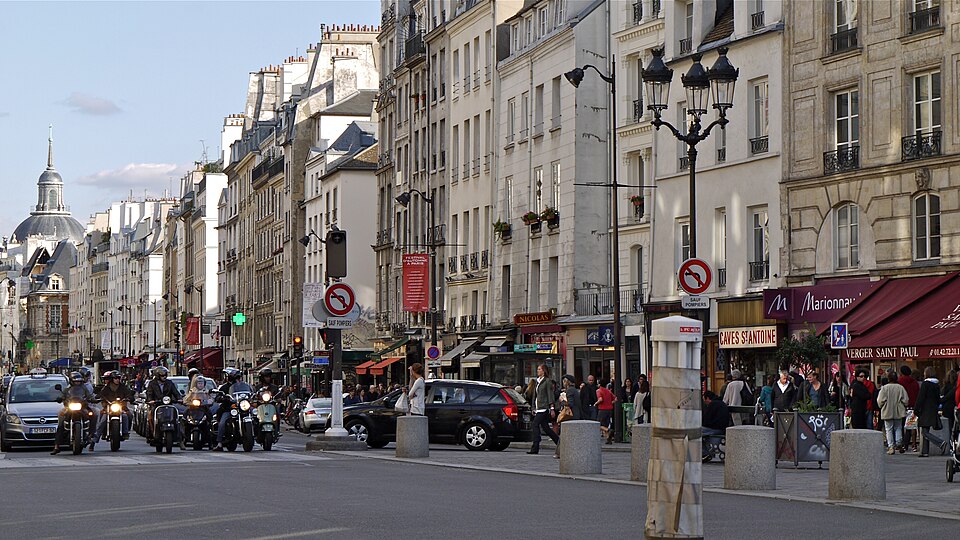
Rue Saint-Antoine
This wide shopping street links Place de la Bastille to Hôtel de Ville and works well as a backbone for exploring the neighborhood. It runs past the church of Saint-Paul-Saint-Louis, a fine example of 17th-century baroque architecture, before you dip into the narrower lanes branching off on either side.
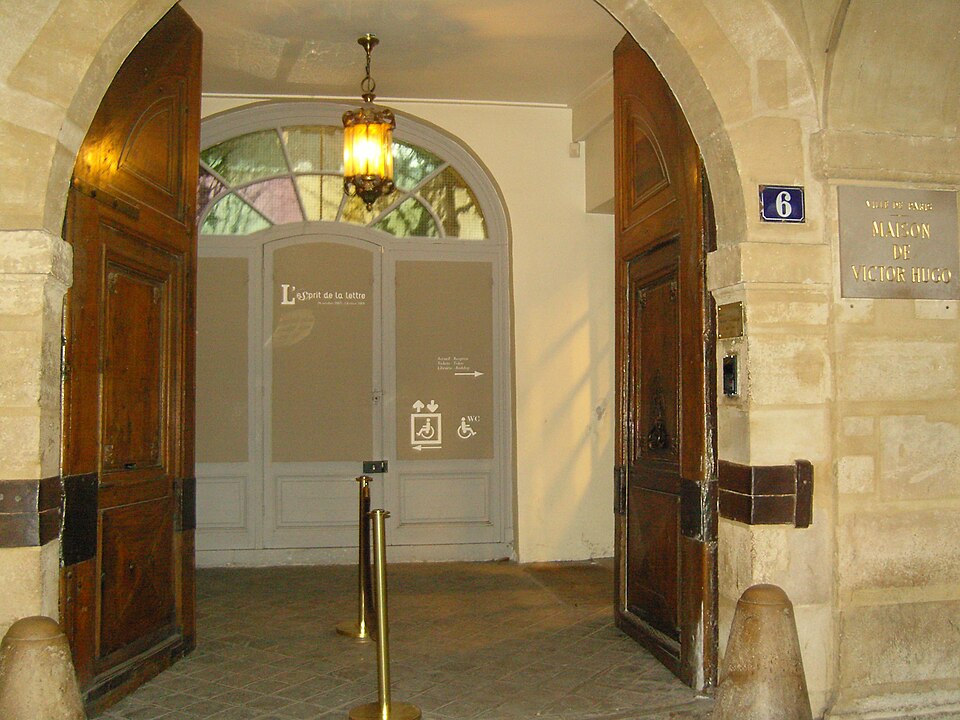
Place des Vosges and Victor Hugo's house
Commissioned by Henri IV in the early 17th century, this is the oldest planned square in Paris, framed by thirty six perfectly symmetrical brick and stone pavilions. Victor Hugo lived here for sixteen years in an apartment now turned into a free museum, with a direct view over the arcades and the central garden.
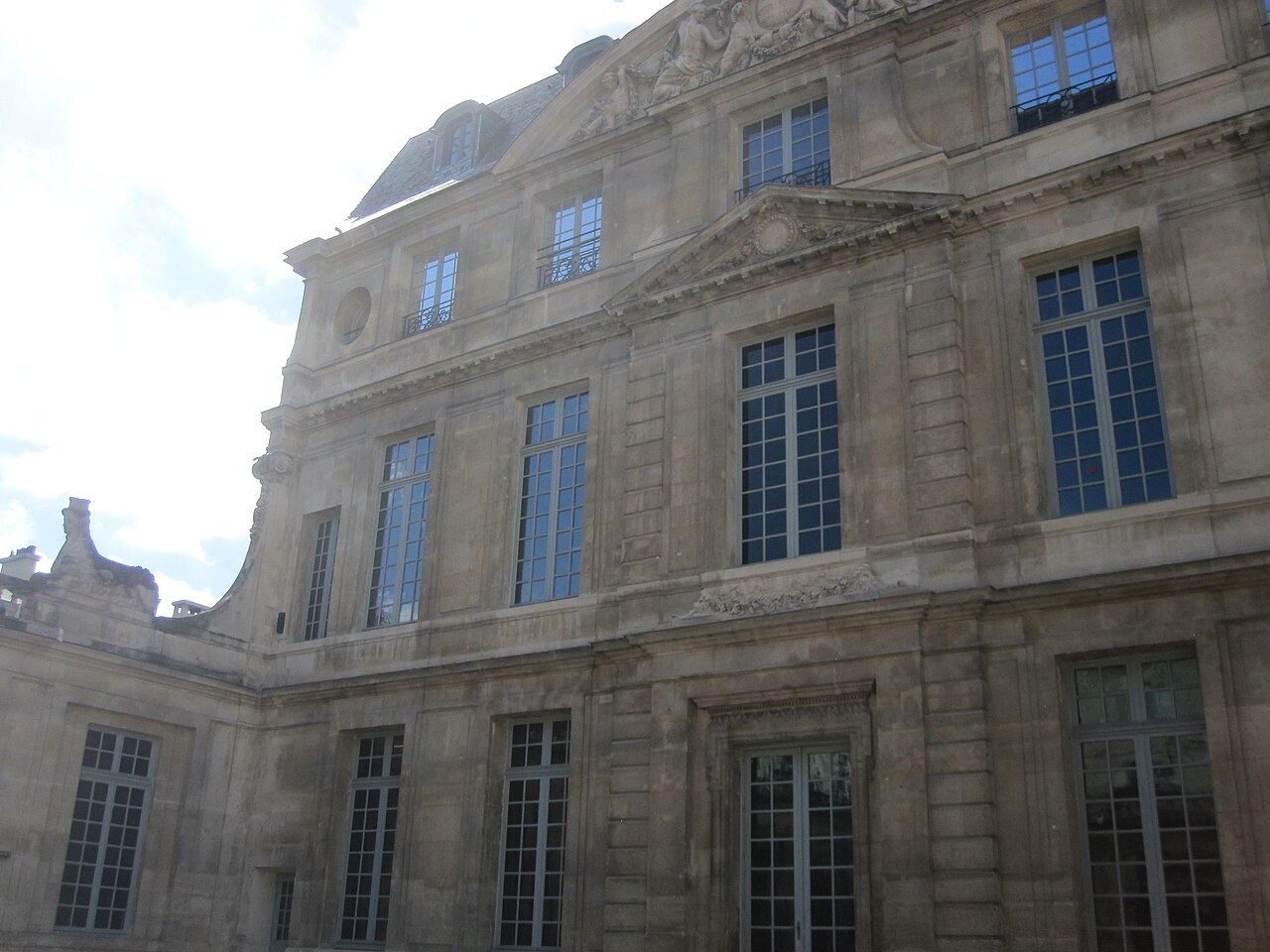
The Musée Picasso
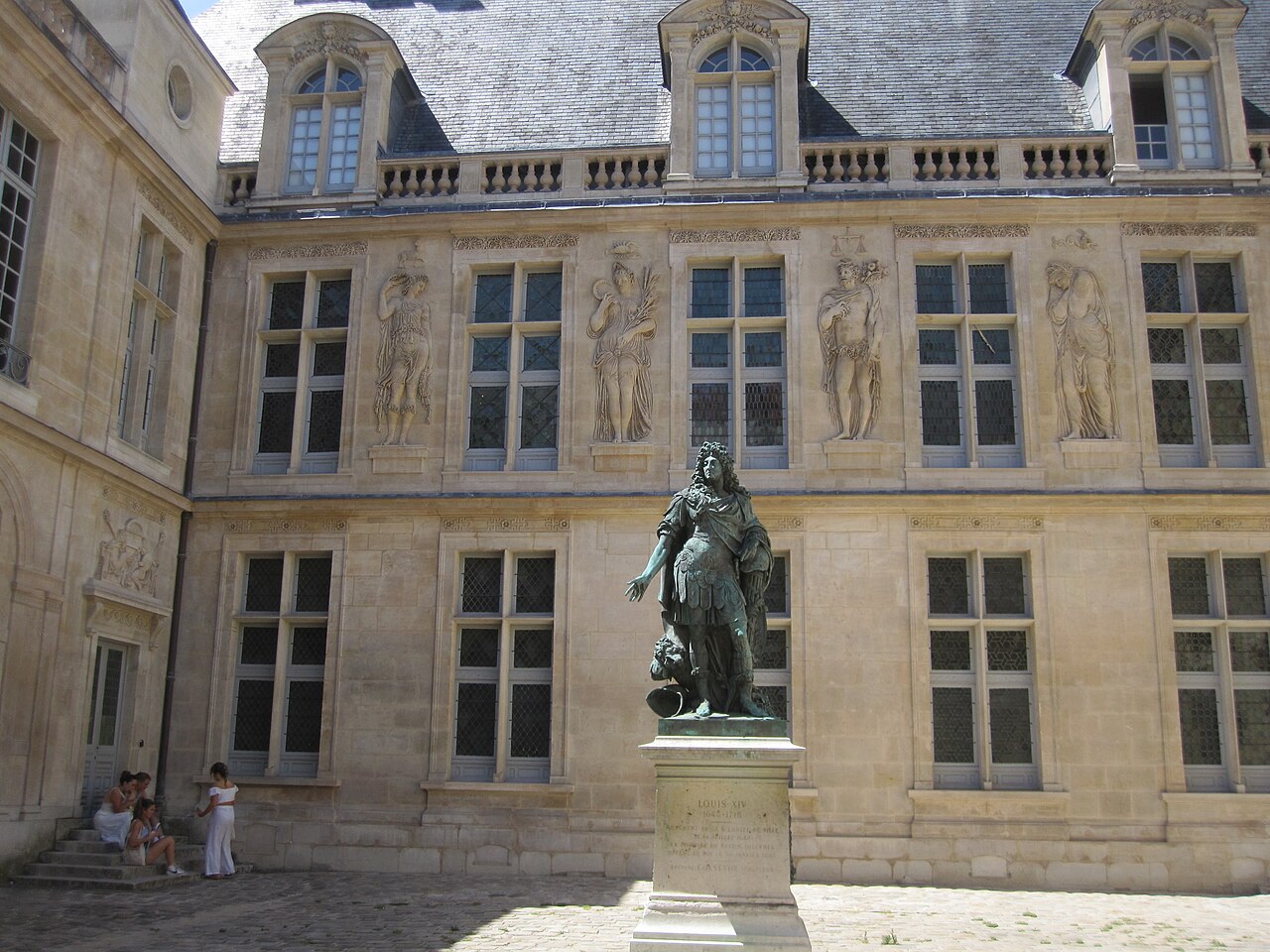
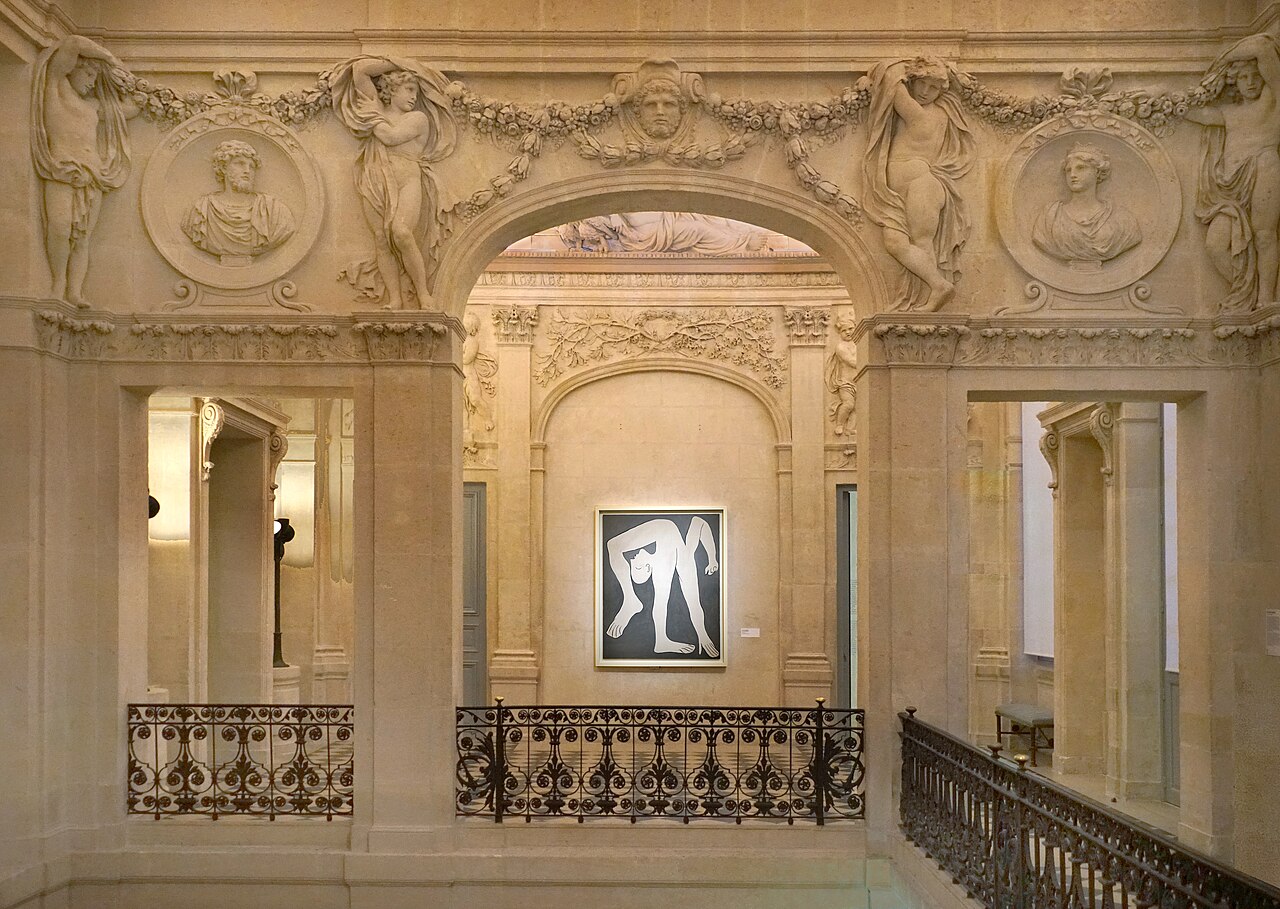
Housed in the Hôtel Salé, a 17th-century mansion built for a wealthy tax collector, this museum holds the largest public collection in the world devoted to the artist. The inner courtyard and the grand staircase are worth a look even if you only have time for a quick pass through the galleries.
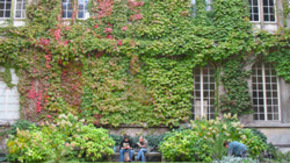
The Musée Carnavalet
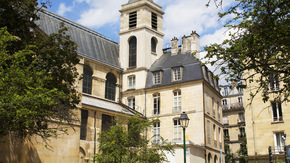
Dedicated to the history of Paris from its origins to today, this museum occupies two connected mansions on rue de Sévigné. Entry to the permanent collections is free, and several rooms still keep their original period woodwork and decor, giving a vivid sense of Parisian life across the centuries.
Rue des Rosiers and the Jewish quarter
Nicknamed the Pletzl, this street and its surroundings form the historic heart of Jewish Paris, dating back to the Middle Ages. It is home to synagogues, bookshops, kosher bakeries and several falafel shops whose lines often spill onto the sidewalk at mealtimes.
The Marché des Enfants Rouges
Tucked away on rue de Bretagne, this is the oldest covered market still operating in Paris, with roots going back to the early 17th century. Between the produce stalls, it is an easy place to grab lunch, with stands serving Japanese, Lebanese, Caribbean and Moroccan food.
Designer shopping and vintage finds
Rue des Francs-Bourgeois, rue Vieille-du-Temple and rue de Sévigné are lined with boutiques from young designers, secondhand shops and concept stores. This is also one of the few Paris neighborhoods where many shops stay open on Sundays, making it a genuine shopping destination on that day.
Tips
To cover the essentials on foot, get off at Saint-Paul station (line 1) and work your way back toward Bastille, zigzagging between rue des Francs-Bourgeois, rue de Sévigné and rue des Rosiers before finishing at Place des Vosges. Hôtel de Ville station (lines 1 and 11), Bastille (lines 1, 5 and 8) and Chemin Vert (line 8) offer other convenient entry points depending on the direction of your walk. Keep in mind that many shops on rue des Rosiers close on Saturdays for Shabbat, unlike the rest of the neighborhood which stays lively that day. In the evening the mood shifts again around rue Vieille-du-Temple and rue des Archives, the heart of the Marais' gay nightlife, with bars and terraces busy late into the night.